The Coyote Engine: A Comprehensive Guide to Buying and FAQs
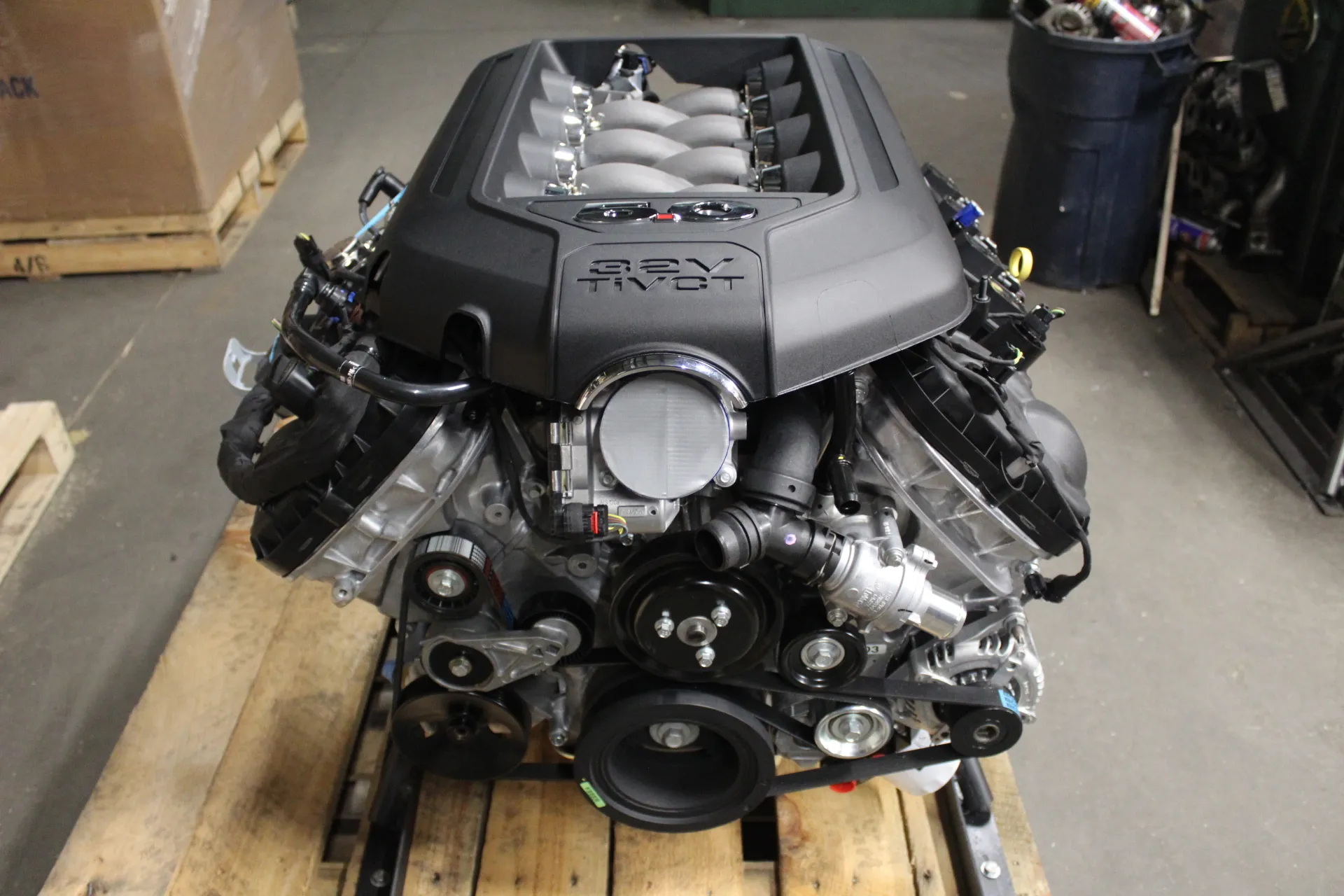
coyote engine for sale, The Coyote engine, Ford’s high-performance modular V8 engine, is a favorite among car enthusiasts and performance vehicle builders. Known for its robust power, reliability, and adaptability, this engine powers vehicles like the Ford Mustang GT and the F-150. Whether you’re upgrading your vehicle, building a custom car, or replacing an old engine, finding the right Coyote engine for sale can be a crucial step in your project.
This guide covers everything you need to know about the Coyote engine, its specifications, where to buy, and answers to frequently asked questions.
Specifications of the Ford Coyote Engine
General Overview
- Engine Type: DOHC 32-valve V8
- Displacement: 5.0 liters (4,951 cc)
- Compression Ratio: Varies by generation, typically around 11:1
- Fuel Delivery: Direct and port fuel injection (Gen 3 and later)
- Horsepower:
- Gen 1: ~412-420 hp
- Gen 2: ~435-440 hp
- Gen 3: ~460 hp
- Torque:
- Gen 1: ~390 lb-ft
- Gen 2: ~400 lb-ft
- Gen 3: ~420 lb-ft
- Redline: Typically around 7,000-7,500 RPM
Dimensions and Weight
- Length: ~29 inches
- Width: ~30 inches
- Height: ~28 inches
- Weight: ~430-450 lbs (dry weight)
Key Features
- Ti-VCT (Twin Independent Variable Cam Timing): Adjusts camshaft timing for optimal power and efficiency.
- Aluminum Block and Heads: Lightweight yet durable construction.
- Advanced Cooling System: Designed for high performance and long-lasting reliability.
- Direct and Port Injection (Gen 3): Improves fuel efficiency and throttle response.
Where to Buy a Coyote Engine
Finding a reliable source to buy a Coyote engine ensures you get the best value and quality. Here are some common options:
- Ford Performance (Official Retailers):
- Ford offers crate engines directly, ensuring authenticity and warranty options.
- Popular models include the Gen 3 Coyote Crate Engine and the Aluminator series for high-performance builds.
- Aftermarket Retailers:
- Websites like Summit Racing, Jegs, and AmericanMuscle offer Coyote engines with shipping options.
- These retailers often include additional components or bundles for easy installation.
- Salvage Yards and Rebuilders:
- Salvage yards can offer used Coyote engines from wrecked Mustangs or F-150s at lower prices.
- Rebuilders provide refurbished engines with guarantees or warranties.
- Private Sellers:
- Platforms like eBay Motors and Craigslist may list used Coyote engines for sale.
- Exercise caution and inspect thoroughly before purchasing.
- Custom Shops:
- Performance tuning shops or engine builders may sell modified or custom-built Coyote engines tailored to your specifications.
Factors to Consider Before Buying a Coyote Engine
- Generation:
- Ensure you know which generation suits your needs. For example, the Gen 3 offers more horsepower and torque compared to earlier versions.
- Condition:
- New, used, or refurbished? Inspect the engine for wear, rust, or previous damage.
- Compatibility:
- Verify that the engine will fit in your vehicle. Consider engine mounts, space constraints, and ECU compatibility.
- Warranty:
- A warranty provides peace of mind, especially for higher-priced engines.
- Price Range:
- Coyote engines can range from $4,500 for a used engine to $15,000+ for high-performance crate engines.
FAQs about Coyote Engines
1. What vehicles use the Coyote engine?
The Coyote engine is primarily found in the Ford Mustang GT (2011 and later) and the Ford F-150 (2011 and later). However, it’s also popular in custom builds and restomods.
2. How much does a new Coyote engine cost?
A new Coyote crate engine typically costs between $8,000 and $15,000, depending on the generation and modifications.
3. Can I swap a Coyote engine into any car?
Yes, but it requires significant modifications, including custom mounts, wiring harnesses, and potentially a new transmission. Kits are available for common swaps, like placing the engine in classic Mustangs.
4. What is the difference between the Aluminator and the standard Coyote?
The Aluminator series is a high-performance version of the Coyote engine, built with stronger internals like forged pistons and rods, making it suitable for supercharged or turbocharged setups.
5. How do I identify the engine generation?
The generation can be identified by engine codes, production years, and specific features:
- Gen 1 (2011-2014): Original design with port injection only.
- Gen 2 (2015-2017): Improved heads, higher compression, and better oiling.
- Gen 3 (2018+): Dual-fuel injection, higher horsepower, and torque.
6. Can I supercharge a Coyote engine?
Yes, the Coyote engine is compatible with superchargers and other forced induction systems. Many aftermarket kits are available.
7. How long does a Coyote engine last?
With proper maintenance, a Coyote engine can last over 200,000 miles. Factors like driving style, modifications, and oil changes play a crucial role.
8. What is the best transmission for a Coyote engine?
Popular choices include the Tremec T-56, TR-6060, and 10R80 automatic, depending on the intended use (manual vs. automatic).
9. What kind of fuel does the Coyote engine use?
Premium unleaded fuel is recommended for optimal performance, especially in Gen 3 engines.
10. Are there alternatives to the Coyote engine?
Alternatives include the Chevrolet LS series, Chrysler HEMI engines, and other Ford modular engines, but each has unique characteristics.
Conclusion on coyote engine for sale
The Ford Coyote engine is a powerhouse of innovation, offering exceptional performance and reliability. Whether you’re buying a new crate engine or salvaging a used one, understanding the specifications and what to look for can make your purchase worthwhile. Take the time to research, compare prices, and consult with experts to ensure the best match for your project.
If you’re ready to upgrade your vehicle or start a custom build, the Coyote engine is an excellent choice that blends power, technology, and versatility.